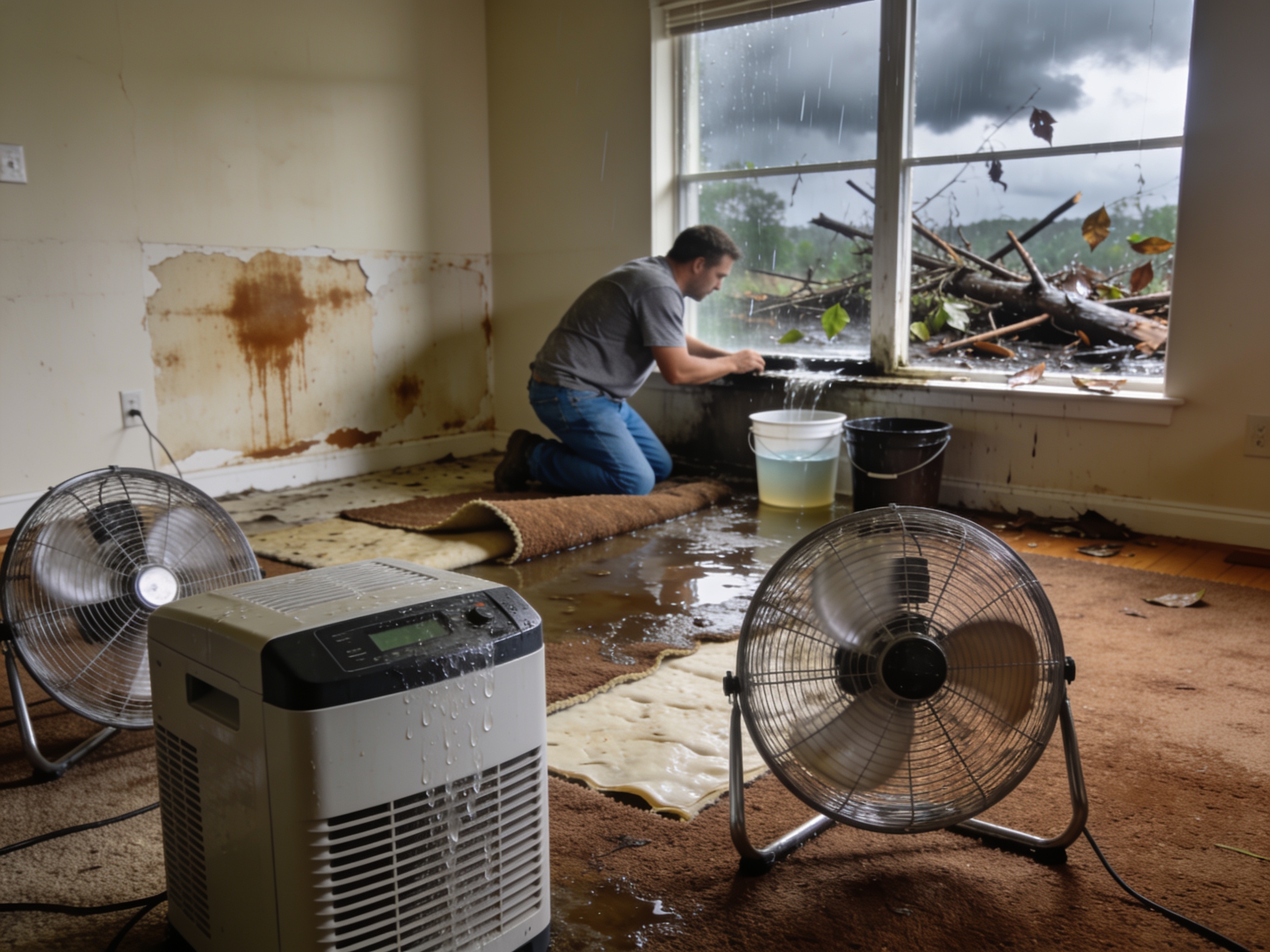
Denver sits north of Charlotte along NC Highway 16 with many single-family homes built from the 1970s through the 2000s on lots that slope toward Lake Norman. Heavy summer storms and the lake's water table push moisture into crawl spaces and finished basements, especially in older ranch and split-level houses east of the highway. Our team based at 407 3rd St responds directly to these calls with extraction and drying equipment sized for the tight access roads common in the Rock Springs and East Lincoln school zones.
Mecklenburg and Lincoln county lines meet here, so crews cross both jurisdictions when water migrates from Stallings or Mint Hill properties. Mild winters keep pipes from freezing but allow hidden leaks behind walls to spread for months before homeowners notice. We focus on fast removal of standing water along the low-lying streets near Denver Park and the Lincoln Charter School campus to limit mold growth in the area's humid subtropical air.
Access to Denver homes often means working around narrow driveways and mature trees that block large equipment. Our technicians carry portable dehumidifiers and air movers suited for these conditions and coordinate with local plumbers familiar with the septic and well systems still found on many lots west of the highway.
Around Denver
We regularly work near:
- 📍Denver Park
- 📍Rock Springs Elementary School
- 📍East Lincoln High School
- 📍Lincoln Charter School
- 📍NC Highway 16
- 📍Lake Norman shoreline
Water Damage Restoration in Denver — Local Notes
- •Lots near Lake Norman often have high water tables that keep crawl spaces damp year-round, requiring targeted drying under finished floors.
- •Many 1980s-1990s homes in the Rock Springs area have narrow side yards that limit equipment placement during extraction.
- •Heavy runoff from NC-16 during summer storms funnels water into basements on the east side of Denver Park.
- •Older well and septic systems common west of the highway can complicate drying when leaks mix with gray water.